
Understanding the Thrill of Risk
Gambling behavior is often analyzed through the lens of thrill-seeking and the psychology of risk. Many individuals are drawn to gambling due to the adrenaline rush associated with taking risks, which can be both exciting and rewarding. This adrenaline rush activates the brain’s reward system, releasing neurotransmitters like dopamine, a chemical that plays a key role in pleasure and satisfaction. For those interested in trying their luck, online pokies can offer an additional layer of excitement, while the intermittent reinforcement that comes from winning creates a powerful psychological response, reinforcing the gambling behavior and making it more appealing over time.
The excitement of unpredictability keeps gamblers engaged, as each bet or spin comes with the possibility of significant rewards. This sense of risk translates into a gaming environment where individuals feel empowered to challenge the odds, often leading to repeated behavior. Furthermore, this thrill can act as a temporary escape from life’s stressors, providing a sense of control and freedom that might be lacking in other areas of their lives. Consequently, the thrill becomes a fundamental aspect of the gambling experience.
Moreover, the concept of ‘risk-taking’ extends beyond just the financial implications; it also encompasses social and emotional risks. For many, the social aspect of gambling—interacting with others, sharing wins or losses—enhances their experience. The communal atmosphere found in gaming venues contributes to a sense of belonging, even among strangers. This psychological interplay between social interaction and risk-taking illustrates the complex motivations that drive individuals toward gambling behavior, further deepening their engagement.
The Illusion of Control and Superstition
Another intriguing psychological aspect of gambling behavior is the illusion of control and the prevalence of superstitious beliefs. Many gamblers believe that they can influence the outcome of a game through their actions, rituals, or specific behaviors, despite the inherent randomness of most gambling activities. This belief can be particularly strong in games often perceived as skill-based, such as poker or sports betting, where players feel their knowledge can sway results. This illusion of control can lead to continued participation, as players feel empowered and motivated to keep trying their luck.
Superstitions frequently manifest in gambling behavior as well. Gamblers engage in various rituals, such as wearing lucky clothing, choosing specific numbers, or performing particular actions before placing a bet. These behaviors are rooted in cognitive biases, where individuals overestimate their influence over random events. The psychological need to attribute success to personal skill rather than luck can perpetuate gambling behavior, driving individuals to continue playing despite potential losses.
This complex interplay between perceived control and superstitions can further entrench gambling habits, often leading to problematic behaviors. Those who may be predisposed to compulsive gambling may find themselves trapped in cycles of belief that they can alter outcomes, which can escalate gambling involvement and even addiction. The mind’s propensity to link success to personal actions can make it incredibly challenging for individuals to recognize the futility of such beliefs, maintaining their gambling behaviors despite negative consequences.
The Role of Environment and Social Influence
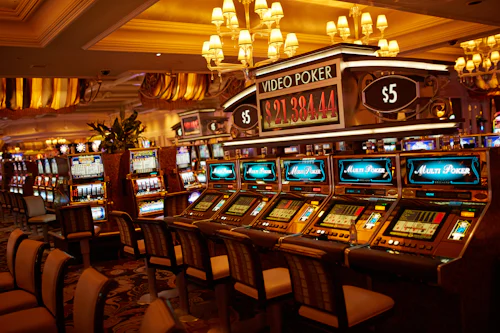
The environment in which gambling occurs significantly impacts behavior, shaping how individuals perceive and engage with gambling activities. Factors such as the presence of peers, the ambiance of gaming establishments, and societal norms play critical roles in influencing an individual’s decision to gamble. For example, a lively, celebratory atmosphere in a casino may encourage players to take greater risks than they otherwise would in a more subdued setting. The stimuli present in these environments heighten excitement and can lead to impulsive decisions.
Social influence is also a powerful dynamic in gambling behavior. Friends and family can create a social norm around gambling, whether it be through casual outings to casinos or participation in lotteries. Positive reinforcement, such as celebration of wins or simply enjoying time spent together, can reinforce gambling as an acceptable form of entertainment. Conversely, negative social stigmas around excessive gambling can deter individuals from engaging in what they may perceive as socially unacceptable behavior.
This social aspect is particularly crucial for younger individuals who may be more susceptible to peer pressure. As they navigate their identities, the need for acceptance can lead them to engage in gambling behaviors that align with their social circles. The desire to fit in or be seen as adventurous can override personal judgments, resulting in choices that may not align with their values. Understanding how environmental and social factors influence gambling is essential in developing effective interventions for those struggling with gambling-related issues.
Emotional and Psychological Triggers
Emotions play a pivotal role in gambling behavior, with many individuals using gambling as a coping mechanism to deal with stress, anxiety, or depression. The immediate gratification from winning can serve as a temporary relief from negative feelings. This reliance on gambling as an emotional outlet can create a cycle where individuals gamble to feel better, only to experience guilt or shame afterward, further complicating their emotional landscape. Understanding these emotional triggers is crucial in addressing and modifying gambling behaviors.
The psychological state of gamblers can also fluctuate based on their experiences. A string of losses can trigger feelings of frustration or hopelessness, leading some individuals to chase their losses in an attempt to regain control. This concept, known as “loss chasing,” refers to the compulsion to continue gambling despite prior setbacks, often resulting in deeper financial and emotional distress. The psychological pressure to recover lost funds can cloud judgment and lead to poor decision-making.
Furthermore, positive emotions associated with winning can lead to an escalation of gambling behavior. The euphoric feelings triggered by a win can prompt individuals to gamble more frequently, in the hopes of recapturing that high. This emotional rollercoaster contributes to the addictive nature of gambling, as players are often caught between the highs of winning and the lows of losing. These emotional dynamics must be addressed to encourage healthier gambling behaviors and reduce the risk of addiction.
Understanding Gambling Behavior through Resources
To truly grasp the complexities of gambling behavior, it is essential to access comprehensive resources that delve into the psychological frameworks involved. Various organizations and platforms offer insights into how psychological theories can inform our understanding of gambling behaviors. These resources not only delineate the factors influencing gambling but also provide support and strategies for individuals looking to manage their gambling activities responsibly. Understanding these frameworks can empower individuals to recognize patterns in their behavior and seek help when necessary.
Moreover, many websites dedicated to gambling awareness and education provide valuable information on responsible gaming practices. These platforms often feature articles, research studies, and expert opinions that dissect the psychological underpinnings of gambling. Such resources aim to foster awareness about the risks associated with excessive gambling and offer guidance on how to enjoy gambling as a form of entertainment without crossing the line into harmful behavior.
As the landscape of gambling continues to evolve, these educational resources remain pivotal in promoting a deeper understanding of gambling psychology. Whether one is curious about the reasons behind their gambling habits or looking to help someone struggling, accessing reliable information can make a significant difference. By equipping oneself with knowledge, individuals can make informed decisions regarding their gambling, leading to healthier and more balanced lifestyles.