
The historical evolution of gambling tracing its roots through time
Ancient Origins of Gambling
The origins of gambling can be traced back to ancient civilizations, where it was intertwined with cultural and religious practices. Archaeological findings suggest that dice were used in Mesopotamia as early as 3000 BC. These early games of chance were often seen as a way to communicate with the divine or to predict future events. Various forms of gambling, such as betting on animal fights or sports, were also prevalent in societies like the Greeks and Romans, showcasing a deep-rooted human fascination with risk and reward. In modern times, one can explore exciting options like the aviator betting game that captures this same thrill.
The ancient Chinese also contributed significantly to the evolution of gambling. The game of Keno, which involved betting on numbers, emerged around the Han Dynasty (206 BC – 220 AD). This not only reflects the recreational aspect of gambling but also its integration into societal norms, as it was often used to fund public projects. Through these ancient practices, gambling laid the groundwork for its evolution into a more organized and structured form.
The Middle Ages and Renaissance Developments
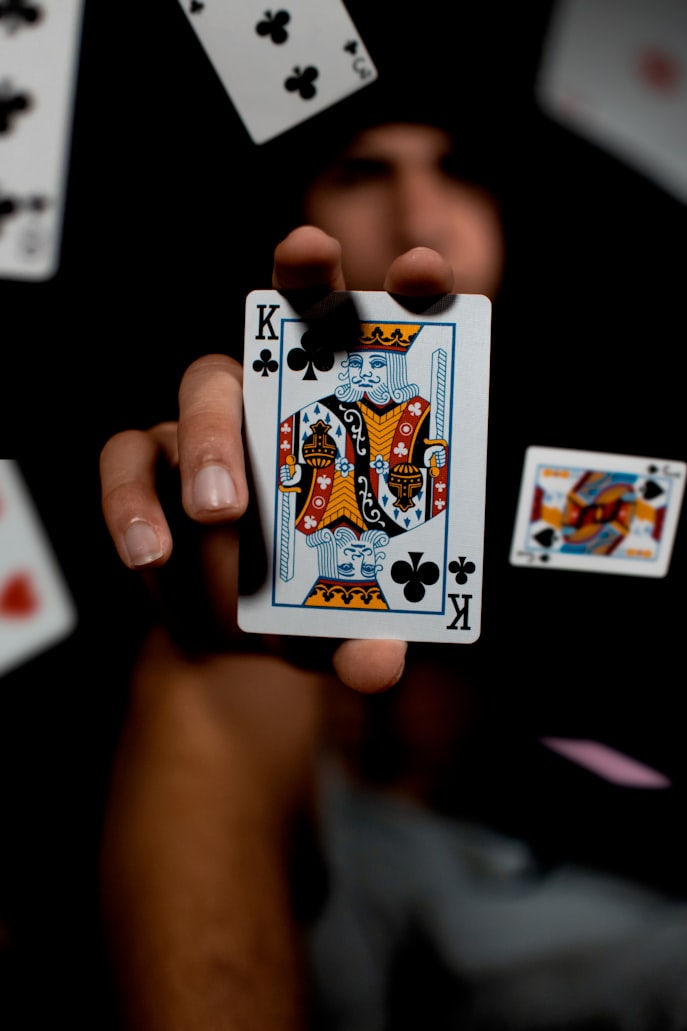
The Middle Ages brought about a significant transformation in gambling culture, particularly in Europe. The popularity of card games surged, leading to the creation of distinct decks that we recognize today. Gambling became more than just a pastime; it was a major social activity among the nobility. This period also saw the establishment of gambling houses, which were the precursors to modern casinos, providing a designated space for people to indulge in their gambling pursuits.
During the Renaissance, advancements in mathematics and probability began to influence gambling. Figures like Gerolamo Cardano published works that introduced concepts of chance and odds, laying the intellectual foundation for future gambling strategies. This merging of mathematics with gambling made the activity more strategic and appealing, further fueling its popularity among the masses.
The Birth of Modern Gambling
The 18th and 19th centuries marked the birth of modern gambling as we know it today. The establishment of the first official lottery in England in 1569 set a precedent for organized gambling, which was soon adopted by other countries. The introduction of horse racing as a gambling venue also gained traction, leading to the development of betting pools and betting shops. These establishments made gambling more accessible to the general public, significantly expanding the gambling community.
The invention of slot machines in the late 19th century revolutionized the gambling landscape. With their mechanical simplicity and the element of chance, they attracted a new demographic of players. This era also saw the rise of casinos, with establishments like Monte Carlo gaining fame as luxury gambling destinations, thus solidifying gambling’s place in popular culture.
The Impact of Technology on Gambling
The 20th and 21st centuries have seen rapid technological advancements that have significantly impacted the world of gambling. The introduction of the internet transformed gambling from a physical activity to a digital experience. Online casinos and betting platforms have become widely accessible, allowing players to gamble from the comfort of their homes. This shift has not only increased participation rates but has also led to the emergence of new forms of gambling, such as online poker and virtual sports betting.
Additionally, the proliferation of mobile technology has further revolutionized gambling. With the rise of smartphones, players can now engage in gambling activities anywhere and anytime. Mobile apps have made it easy for users to place bets, play games, and even participate in live dealer experiences. This constant connectivity has changed the dynamics of gambling, making it a more integrated part of everyday life.

Your Source for Gambling History
This website aims to provide an extensive overview of gambling’s historical evolution, tracing its roots through time while highlighting the significant milestones that have shaped the industry. By exploring ancient practices, the impact of the Renaissance, and the technological advancements in modern gambling, we strive to offer insightful content for both enthusiasts and newcomers alike.
Join us in delving into the fascinating world of gambling. Our comprehensive articles and resources will keep you informed about the latest trends, historical context, and cultural significance of this age-old practice. Whether you’re interested in the historical aspects or current developments, our platform serves as your go-to resource for all things gambling-related.